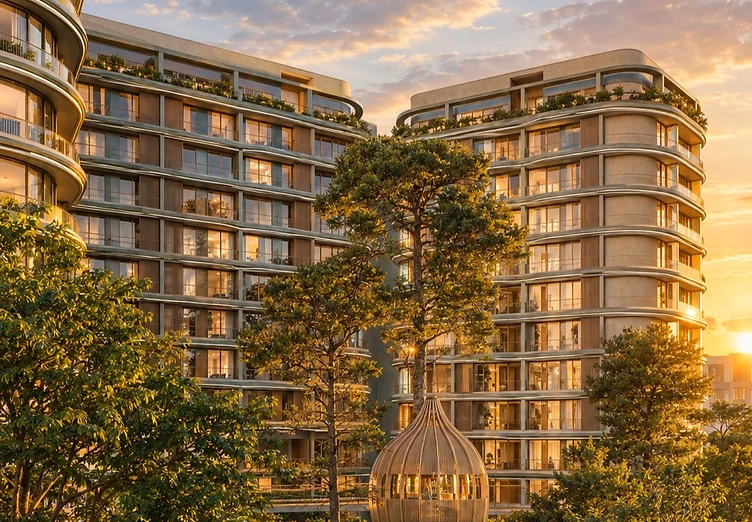
Nairobi’s upscale Gigiri district is experiencing a wave of luxury hotel developments driven by strong demand from diplomats, corporate travellers and expansions at the nearby United Nations complex.
According to Business Daily, three investors have announced plans to develop hotels in the area in the past three months:
- Artesano Investment
- Gulf Hotels Group
- Season Global Limited
Worth more than KSh5.5 billion (US$42 million), these investments are expected to add 587 accommodation units to the area’s hotel room inventory.
UN expansion fuels demand
Fred Odek, Chairman of the Kenya Tourism Federation, says the developers will tap into three types of demand:
- Business travel
- Contracted business from organisations such as NGOs, embassies and visiting delegations
- Leisure travel generated by UN employees hosting family and friends
He says hotel investment is increasingly shifting away from Nairobi’s city centre towards areas where people live and conduct business.
“The traditional accommodation that used to be in the city centre, such as the Pan-African Hotel, the Stanley Hotel and the Norfolk Hotel, is basically looking to move numbers to where people actually either do business or live.”
HotelOnline Founder Håvar Bauck says expansion of the UN’s Nairobi headquarters, following its US$340 million investment announcement in May and the relocation of some regional and global operations to Kenya, is strengthening Gigiri’s position as one of Africa’s diplomatic centres.
“The conference expansion alone will increase capacity from 2 000 to 9 000 participants, which gives an idea of the scale investors are preparing for. More UN operations also mean more visiting delegations, consultants and project teams alongside conference delegates. That supports accommodation demand throughout the year and gives us good reason to expect sustained growth.”
Infrastructure pressure
But the hotel boom also raises questions about the capacity of Gigiri’s existing infrastructure to accommodate additional demand. Some investors are already planning their own solutions. Season Global’s proposed hotel, for example, will include an on-site effluent treatment plant and waste management infrastructure.
Odek notes, in Kenya, expansion and infrastructure often follow development.
“Once you have the properties in that area, the water, sewer, power and internet systems will be enhanced. Normally six months to a year, all those things will be in place. That is how it has consistently been done.”
But as Gigiri’s hotel and MICE offering grows, some infrastructure constraints remain. One bottleneck, Bauck says, is Limuru Road, which continues to experience significant congestion despite recent expansion.
He says the planned expansion of the Northern Bypass, although overdue, should improve access to the diplomatic neighbourhood.
“Together with the Eastern Bypass, there are reliable alternative routes between the airport and Gigiri.”
For Bauck, Gigiri is increasingly emerging as a standalone MICE ecosystem, helping Nairobi compete for international events that might otherwise go to another destination.
“The opportunity this move presents goes beyond moving existing businesses from one neighbourhood to another.”